






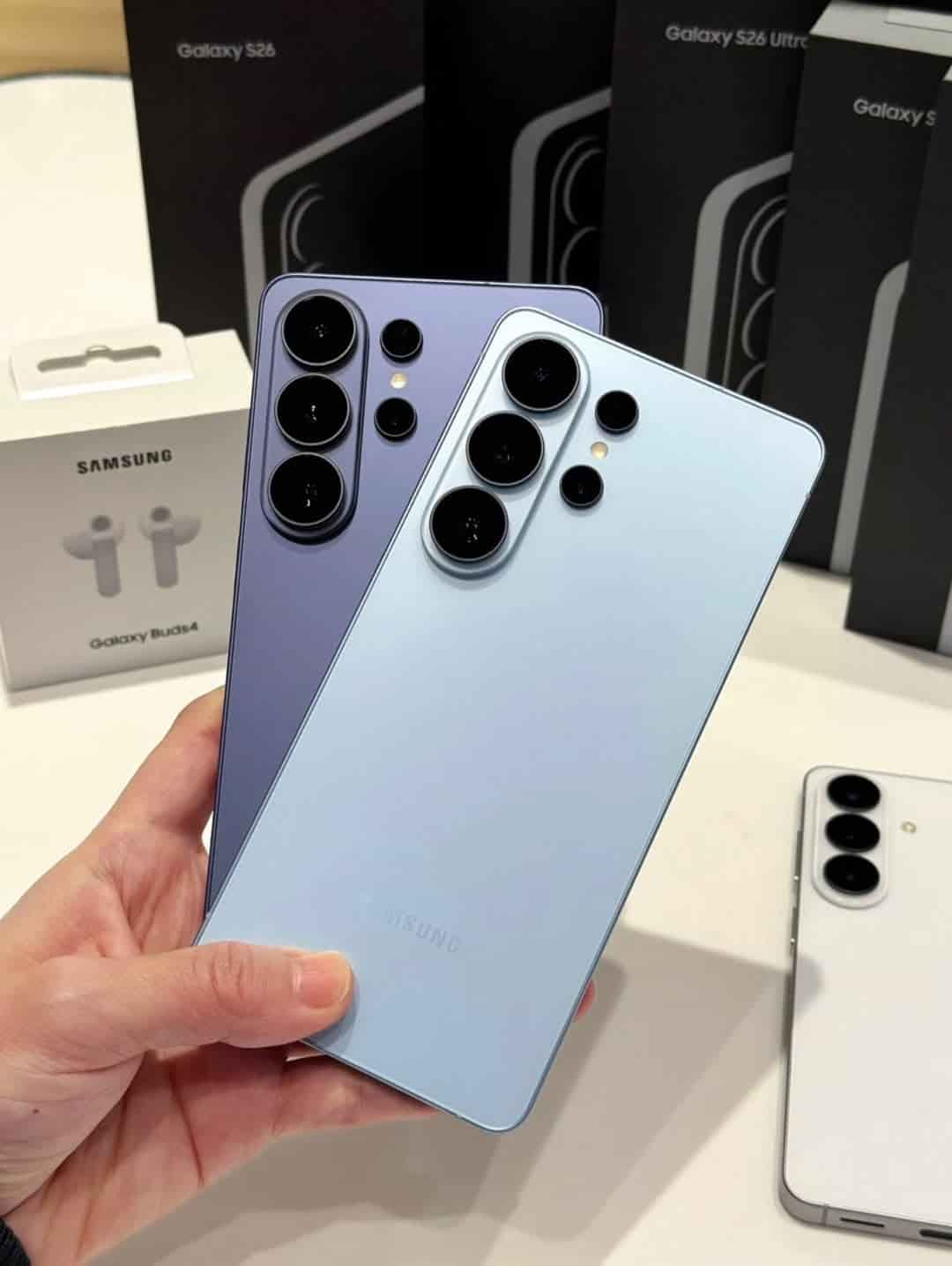
Samsung is one of the most influential technology companies in the world. From smartphones and televisions to semiconductors, artificial intelligence, and smart home appliances, Samsung has transformed how billions of people live, work, and communicate. Today, Samsung stands among the world’s most valuable technology brands, competing with the biggest names in consumer electronics while driving innovation across multiple industries.
Official website: Samsung
In this comprehensive guide, we’ll explore the history of Samsung, its products, technological achievements, business divisions, AI innovations, future ambitions, and why Samsung remains a global leader in 2026.
What Is Samsung?
Samsung is a South Korean multinational technology company known for manufacturing smartphones, televisions, semiconductors, home appliances, displays, wearable devices, and many other electronics products.
The core technology business is operated through Samsung Electronics, which has become one of the largest electronics manufacturers in the world.
Founded in 1938 in South Korea, Samsung initially started as a trading company before expanding into manufacturing, insurance, construction, and eventually electronics. Today, Samsung products can be found in nearly every country around the globe. (Forbes)
The History of Samsung
Samsung’s Early Years
The story of Samsung began in 1938 when founder Lee Byung-chul established the company in South Korea.
Initially, Samsung focused on:
- Trading goods
- Food processing
- Textiles
- Export businesses
Over time, Samsung expanded aggressively into multiple industries, laying the foundation for what would become one of the world’s largest business groups.
Entry into Electronics
The most significant turning point for Samsung occurred in 1969 when the company entered the electronics industry. This move ultimately transformed Samsung into the technology powerhouse we know today. (StockAnalysis)
Early electronic products included:
- Black-and-white televisions
- Refrigerators
- Air conditioners
- Washing machines
These products helped establish Samsung as a household name across Asia and eventually worldwide.
Samsung’s Rise to Global Dominance
Expansion into International Markets
During the 1980s and 1990s, Samsung expanded aggressively into international markets.
The company invested heavily in:
- Research and development
- Semiconductor manufacturing
- Mobile communication technology
- Consumer electronics
Unlike many competitors, Samsung focused on controlling its own supply chain. This strategy allowed Samsung to manufacture key components internally, including displays, memory chips, batteries, and processors.
Becoming a Technology Giant
By the early 2000s, Samsung had become one of the largest electronics manufacturers globally.
Key milestones included:
- Leadership in memory chips
- Success in LCD displays
- Growth in mobile phones
- Expansion in television technology
This period established Samsung as a serious competitor to companies like Apple, Sony, and LG Electronics.
Samsung Smartphones: The Galaxy Revolution
Birth of the Galaxy Brand
One of Samsung’s greatest achievements is the Galaxy smartphone lineup.
The introduction of the Galaxy series transformed Samsung into one of the world’s leading smartphone manufacturers.
Popular Galaxy categories include:
- Galaxy S Series
- Galaxy Z Fold Series
- Galaxy Z Flip Series
- Galaxy A Series
- Galaxy Tablets
Galaxy S Series Success
The Galaxy S lineup represents Samsung’s flagship smartphone family.
Recent models continue pushing innovation with:
- Advanced AI features
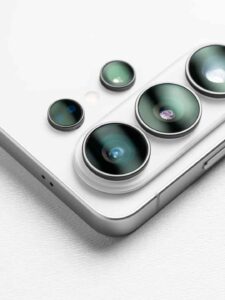
- Professional-grade cameras
- High-performance processors
- Premium displays
- Long software support
Samsung’s latest Galaxy devices showcase the company’s growing focus on artificial intelligence and connected experiences. (Samsung Mobile Press)
Foldable Phone Leadership
Samsung pioneered the mainstream foldable smartphone market.
Its foldable lineup includes:
- Galaxy Z Fold
- Galaxy Z Flip
These devices have helped Samsung maintain a unique competitive advantage in the smartphone industry. Fast Company recognized Samsung’s continued innovation in foldables and AI-powered devices in 2026.
Samsung and Artificial Intelligence (AI)
Samsung’s AI Vision
Artificial intelligence has become central to Samsung’s future strategy.
Today, Samsung integrates AI into:
- Smartphones
- Smart TVs
- Home appliances
- Wearable devices
- Health technology
At Mobile World Congress 2026, Samsung showcased its expanding Galaxy AI ecosystem and connected experiences across devices.
Galaxy AI
Galaxy AI is Samsung’s next-generation intelligence platform.
Features include:
- Real-time translation
- Smart writing assistance
- AI photography enhancements
- Productivity tools
- Personalized recommendations
Samsung aims to make technology more intuitive, connected, and useful through AI-powered experiences.
Smart Home Intelligence
Samsung’s SmartThings ecosystem allows users to control connected devices from a single platform.
Learn more at:
Benefits include:
- Remote appliance control
- Energy monitoring
- Security management
- Automated routines
- Device integration
Samsung continues expanding SmartThings to create a seamless smart-home experience.
Samsung Electronics and Semiconductor Leadership
Why Semiconductors Matter
Many people know Samsung for smartphones, but semiconductors are among the company’s most important businesses.
Samsung manufactures:
- DRAM memory
- NAND storage
- Logic chips
- AI processors
- High-bandwidth memory
Samsung’s AI Chip Strategy
Demand for artificial intelligence has dramatically increased the need for advanced chips.
Samsung has accelerated development of:
- HBM4 memory
- AI processors
- Advanced foundry technology
- High-performance computing solutions
Recent reports indicate Samsung has begun shipping advanced HBM4E memory samples, strengthening its position in the AI semiconductor market.
Record Financial Performance
Samsung reported record quarterly revenue and operating profit in early 2026, driven largely by semiconductor demand and flagship product sales. The company’s memory division continues to play a major role in its growth strategy.
Samsung TVs and Home Entertainment
Television Innovation
Samsung has been a global leader in television technology for many years.
Popular TV categories include:
- OLED TVs
- Neo QLED TVs
- Lifestyle TVs
- Smart TVs
- Micro RGB TVs
Samsung OLED Leadership
Samsung’s latest OLED televisions deliver:
- Exceptional brightness
- Rich color accuracy
- AI-enhanced processing
- Advanced gaming features
The 2026 flagship OLED lineup demonstrates Samsung’s commitment to premium home entertainment experiences.
Lifestyle TVs
Samsung has also transformed televisions into design-focused products through models such as:
- The Frame
- Smart art displays
- Designer-focused screens
These products blend technology with interior design.
Samsung Home Appliances
Smart Living Solutions
Samsung’s appliance division creates products designed to simplify daily life.
Popular categories include:
- Refrigerators
- Washing machines
- Air conditioners
- Dishwashers
- Vacuum cleaners
Bespoke AI Appliances
The Bespoke AI lineup represents Samsung’s vision for intelligent living.
Features include:
- AI-assisted energy savings
- Food recognition
- Personalized recommendations
- Remote monitoring
Samsung continues expanding AI capabilities throughout its appliance portfolio.
Samsung’s Business Model and Competitive Advantage
Vertical Integration
One major reason for Samsung’s success is vertical integration.
Unlike many competitors, Samsung produces many of its own components, including:
- Displays
- Memory chips
- Processors
- Batteries
This reduces dependence on external suppliers and improves profitability.
Massive Research Investment
Samsung spends billions annually on research and development.
Key investment areas include:
- Artificial intelligence
- Semiconductor manufacturing
- Mobile technology
- Healthcare technology
- Smart homes
Global Manufacturing Network
Samsung operates production facilities and research centers worldwide.
This allows Samsung to:
- Reach international markets efficiently
- Reduce supply chain risks
- Adapt products to local demand
Samsung’s Expansion into Healthcare and Future Technologies
Digital Health Initiatives
Samsung is increasingly investing in healthcare technologies.
Recent initiatives include:
- Wearable health monitoring
- Digital diagnostics
- AI-assisted healthcare tools
- Medical device integration
Samsung recently invested significantly in genetics company Element Biosciences to strengthen future healthcare innovation efforts.
Future Growth Areas
Samsung’s future strategy focuses on:
- AI infrastructure
- Advanced memory technology
- Connected devices
- Digital health
- Robotics
- Smart manufacturing
The company believes these sectors will drive long-term growth.
Challenges Facing Samsung
Even a global leader like Samsung faces challenges.
Intense Competition
Samsung competes with:
Competition drives continuous innovation but also increases pressure on pricing and margins.
Semiconductor Competition
Samsung competes against:
These companies are also investing heavily in AI-focused chips.
Regulatory and Market Challenges
Large technology companies face:
- Regulatory scrutiny
- Supply chain disruptions
- Economic uncertainty
- Rapid technology shifts
Samsung must continually adapt to remain competitive.
Why Samsung Remains One of the World’s Most Important Technology Companies
Samsung’s continued success comes from its ability to innovate across multiple industries simultaneously.
Key strengths include:
- Strong global brand recognition
- Leadership in semiconductors
- Smartphone innovation
- AI investments
- Smart-home ecosystem
- Advanced manufacturing capabilities
- Financial strength
- Research and development excellence
These advantages position Samsung for continued growth in the AI era.
Recent recognition by Fast Company as one of the most innovative companies of 2026 highlights Samsung’s ongoing influence across consumer electronics and emerging technologies.
Conclusion
Samsung’s journey from a small trading company in 1938 to a global technology giant is one of the most remarkable business success stories in modern history. Today, Samsung leads innovation across smartphones, semiconductors, artificial intelligence, televisions, home appliances, and digital health technologies.
As AI transforms the technology landscape, Samsung continues investing heavily in next-generation chips, intelligent devices, connected ecosystems, and healthcare solutions. Whether through Galaxy smartphones, advanced memory technology, smart homes, or future AI infrastructure, Samsung remains a company shaping the future of technology.
With strong financial performance, global reach, and relentless innovation, Samsung is well-positioned to remain one of the world’s most influential technology companies for years to come.
Frequently Asked Questions (FAQs)
1. What is Samsung best known for?
Samsung is best known for its Galaxy smartphones, televisions, semiconductors, memory chips, smart appliances, and consumer electronics products.
2. Which country owns Samsung?
Samsung is a South Korean company headquartered in Suwon, South Korea. It was founded in 1938 and remains one of the country’s largest corporations.
3. Is Samsung investing in artificial intelligence?
Yes. Samsung is heavily investing in AI across smartphones, smart homes, healthcare, semiconductors, and connected devices. Galaxy AI, SmartThings, AI-powered appliances, and advanced AI memory chips are key examples of Samsung’s AI strategy.









+ There are no comments
Add yours