






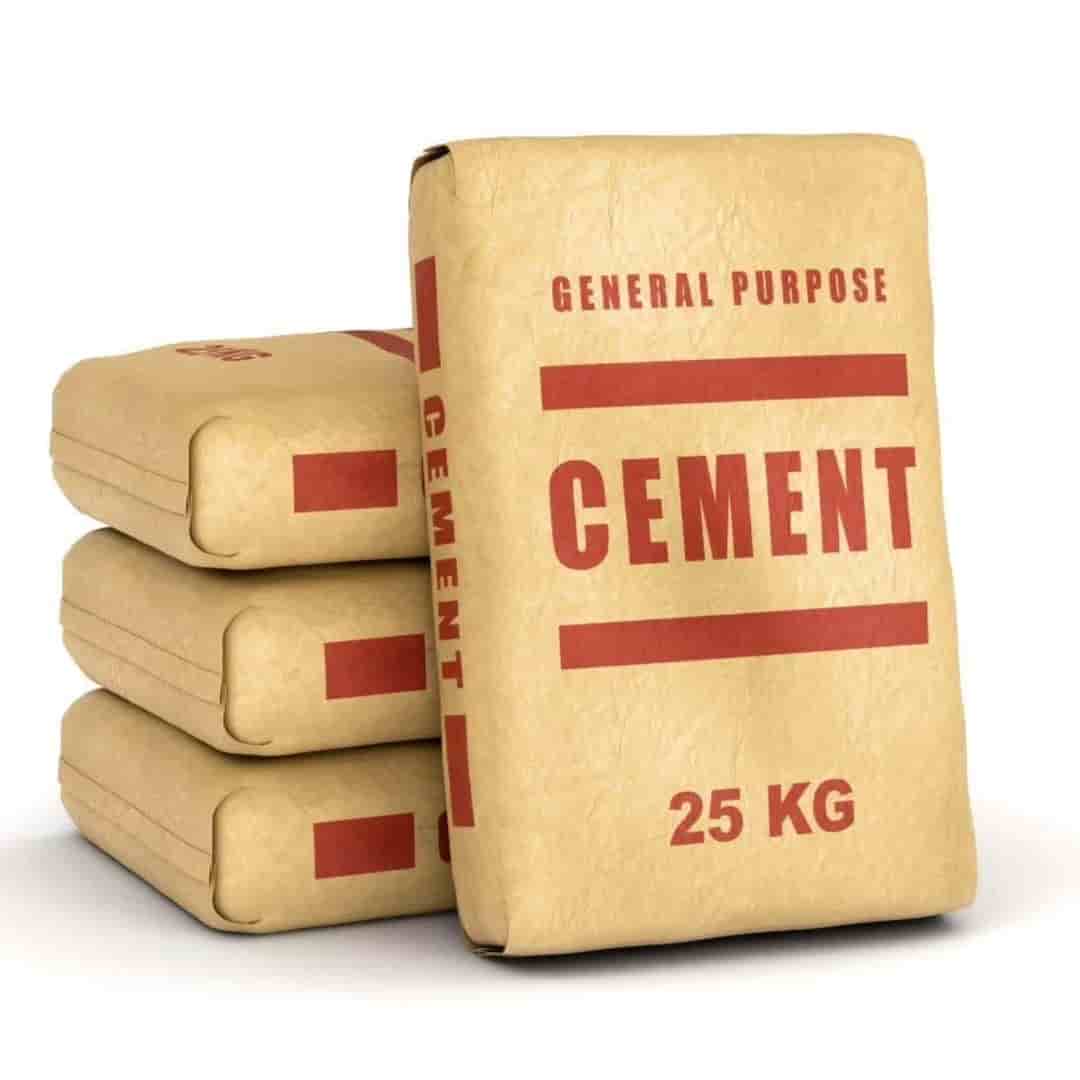
If you’re planning to build a house, renovate a property, mold blocks, or undertake any construction project, one of the first questions you’ll likely ask is: How much for 1 bag of cement in Nigeria?
The answer isn’t always straightforward because the price of cement changes frequently due to transportation costs, inflation, fuel prices, exchange rates, demand, and manufacturer pricing policies. Understanding how much for 1 bag of cement can help you budget accurately and avoid unexpected construction expenses.
As of 2026, the average retail price of a 50kg bag of cement in Nigeria ranges between ₦9,500 and ₦13,000, depending on the brand and location. Major manufacturers such as Dangote Cement, BUA Cement, and Lafarge continue to dominate the Nigerian market, with prices varying from one state to another. Recent market reports indicate that cement prices have risen significantly in many parts of the country, with some locations recording prices above ₦12,000 per bag.
This comprehensive guide explores how much for 1 bag of cement, the current prices across major brands, factors affecting cement costs, regional price differences, buying tips, and everything you need to know before making a purchase.
Understanding Cement Prices in Nigeria
Why Cement Is Essential for Construction
Cement is one of the most important building materials in the world. It is used in:
- Foundation work
- Concrete mixing
- Block molding
- Plastering
- Floor screeding
- Structural columns
- Roofing applications
Without cement, modern construction would be nearly impossible. Because of its importance, even a small increase in cement prices can significantly affect the overall cost of building projects.
When asking how much for 1 bag of cement, you’re essentially trying to estimate a major portion of your construction budget.
The Standard Weight of a Cement Bag
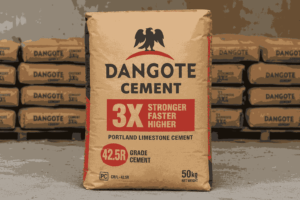
In Nigeria, most cement products are sold in 50kg bags. This standard weight applies to major brands including:
- Dangote Cement
- BUA Cement
- Lafarge Cement
- Mangal Cement
Whenever someone asks how much for 1 bag of cement, they are usually referring to a 50kg bag.
How Much for 1 Bag of Cement in Nigeria Today?
Current Cement Price Range
Based on recent market reports and dealer quotations, the average price of a 50kg bag of cement ranges from:
| Cement Brand | Average Price Per Bag |
|---|---|
| Dangote Cement | ₦10,000 – ₦12,500 |
| BUA Cement | ₦9,500 – ₦11,000 |
| Lafarge Cement | ₦9,500 – ₦11,500 |
| Mangal Cement | ₦9,800 – ₦11,000 |
Actual market prices vary depending on your location and the supplier. Recent reports indicate prices commonly fall between ₦8,500 and ₦10,500 in some markets, while others have recorded retail prices as high as ₦13,000 per bag.
Therefore, if you’re asking how much for 1 bag of cement, expect to pay around ₦10,000 to ₦12,000 in most Nigerian cities.
Dangote Cement Price Today
How Much for 1 Bag of Dangote Cement?
Dangote Cement remains the largest cement manufacturer in Nigeria and one of the biggest in Africa.
Current retail prices generally range between:
- ₦10,000 – ₦12,500 per 50kg bag
Depending on location and availability, some dealers may charge slightly more. Reports from multiple markets show Dangote Cement frequently sells above ₦10,000 per bag.
Advantages of Dangote Cement
- High compressive strength
- Excellent durability
- Widely available
- Trusted by contractors
- Suitable for major structural projects
When homeowners ask how much for 1 bag of cement, Dangote Cement is often the benchmark used for comparison.
BUA Cement Price Today
How Much for 1 Bag of BUA Cement?
BUA Cement has grown rapidly and become one of Nigeria’s leading cement producers.
Current prices typically range between:
- ₦9,500 – ₦11,000 per bag
In some regions, BUA Cement may be slightly cheaper than Dangote Cement. Market surveys have shown BUA prices frequently remaining close to the ₦10,000 mark.
Benefits of BUA Cement
- Competitive pricing
- Strong market presence
- Suitable for block production
- Reliable quality
- Good workability
Many builders compare BUA and Dangote when deciding how much for 1 bag of cement fits their budget.
Lafarge Cement Price Today
How Much for 1 Bag of Lafarge Cement?
Lafarge remains a respected name in the construction industry.
Current pricing generally falls between:
- ₦9,500 – ₦11,500 per bag
Certain specialized Lafarge products may cost more depending on the intended application.
Why Builders Choose Lafarge
- Strong reputation
- Consistent quality
- Suitable for heavy-duty construction
- Good finishing characteristics
Anyone researching how much for 1 bag of cement should compare Lafarge alongside Dangote and BUA before purchasing.
Factors Affecting Cement Prices in Nigeria
Transportation Costs
Transportation remains one of the biggest contributors to cement pricing.
Factors include:
- Fuel costs
- Road conditions
- Distance from manufacturing plants
- Logistics expenses
The farther you are from production facilities, the higher the cost of cement.
Exchange Rate Fluctuations
Although cement is largely produced locally, many production inputs and machinery components depend on imports.
A weaker naira often leads to:
- Higher manufacturing costs
- Increased spare part expenses
- Rising operational costs
These increases eventually affect how much for 1 bag of cement consumers pay.
Demand and Supply
Demand rises significantly during:
- Dry seasons
- Housing booms
- Government infrastructure projects
Higher demand often results in price increases.
Energy Costs
Cement manufacturing requires substantial energy consumption.
Increases in:
- Diesel prices
- Electricity costs
- Gas supply expenses
can push cement prices higher nationwide.
Cement Prices Across Nigerian States
Lagos
Lagos generally experiences some of the highest cement prices because of intense construction activity.
Typical prices:
- ₦10,500 – ₦13,000
Recent dealer reports indicate prices exceeding ₦11,000 in several areas.
Abuja
Abuja prices typically range from:
- ₦10,000 – ₦12,500
Demand from residential and commercial projects keeps prices relatively high.
Ibadan
In Ibadan and surrounding areas:
- ₦10,000 – ₦11,500
Prices vary depending on distributor and quantity purchased.
Kano
Northern states occasionally benefit from lower prices due to regional supply dynamics.
Typical prices:
- ₦9,000 – ₦11,000
How Many Bags of Cement Are Needed to Build a House?
For a Two-Bedroom House
Estimated requirement:
- 300–500 bags
For a Three-Bedroom House
Estimated requirement:
- 500–800 bags
For a Duplex
Estimated requirement:
- 1,000–2,000 bags
If the average price is ₦11,000 per bag, understanding how much for 1 bag of cement becomes critical when calculating total project costs.
How to Save Money When Buying Cement
Buy in Bulk
Wholesale purchases usually cost less than buying individual bags.
Purchase Directly from Distributors
Authorized distributors often offer better prices than retail stores.
Compare Multiple Suppliers
Always obtain quotations from at least three suppliers.
Buy During Stable Market Periods
Avoid panic buying during sudden price hikes.
Plan Ahead
Purchasing early can help avoid future increases.
Where to Buy Cement in Nigeria
Authorized Distributors
The safest option is purchasing through approved distributors.
Official company websites:
- Dangote Cement
- BUA Cement
- Lafarge Africa
Building Material Markets
Popular building material markets often provide competitive pricing.
Construction Suppliers
Many suppliers offer:
- Bulk delivery
- Contractor discounts
- Flexible payment arrangements
Future Outlook for Cement Prices in Nigeria
Industry experts expect cement prices to remain influenced by:
- Inflation
- Energy costs
- Transportation expenses
- Exchange rate movements
- Construction demand
While occasional price reductions may occur, most analysts expect cement prices to remain relatively high compared to previous years. Recent market reports continue to show price volatility across different regions.
Therefore, anyone asking how much for 1 bag of cement should verify current local prices before making purchasing decisions.
Conclusion
So, how much for 1 bag of cement in Nigeria?
As of 2026, a 50kg bag of cement generally costs between ₦9,500 and ₦13,000, depending on the brand, location, and market conditions. Dangote Cement, BUA Cement, and Lafarge Cement remain the dominant options available to builders and homeowners across the country. Recent market data suggests that most buyers should budget around ₦10,000–₦12,000 per bag for retail purchases.
Before buying, compare prices from multiple suppliers, consider bulk purchases, and stay informed about market trends. Since cement represents a significant percentage of construction costs, understanding how much for 1 bag of cement can save you money and improve project planning.
Also read: How Much Will It Cost to Build a 4-Bedroom Duplex in Nigeria? (2026 Complete Cost Breakdown)
Frequently Asked Questions (FAQs)
1. How much for 1 bag of cement in Nigeria today?
A 50kg bag of cement typically costs between ₦9,500 and ₦13,000 depending on location, brand, and supplier.
2. Which cement brand is cheapest in Nigeria?
BUA Cement and Mangal Cement are often among the most affordable options, though prices vary by location and market conditions.
3. Is it cheaper to buy cement in bulk?
Yes. Wholesale purchases generally offer lower per-bag costs compared to retail purchases, making them more economical for large construction projects.













+ There are no comments
Add yours